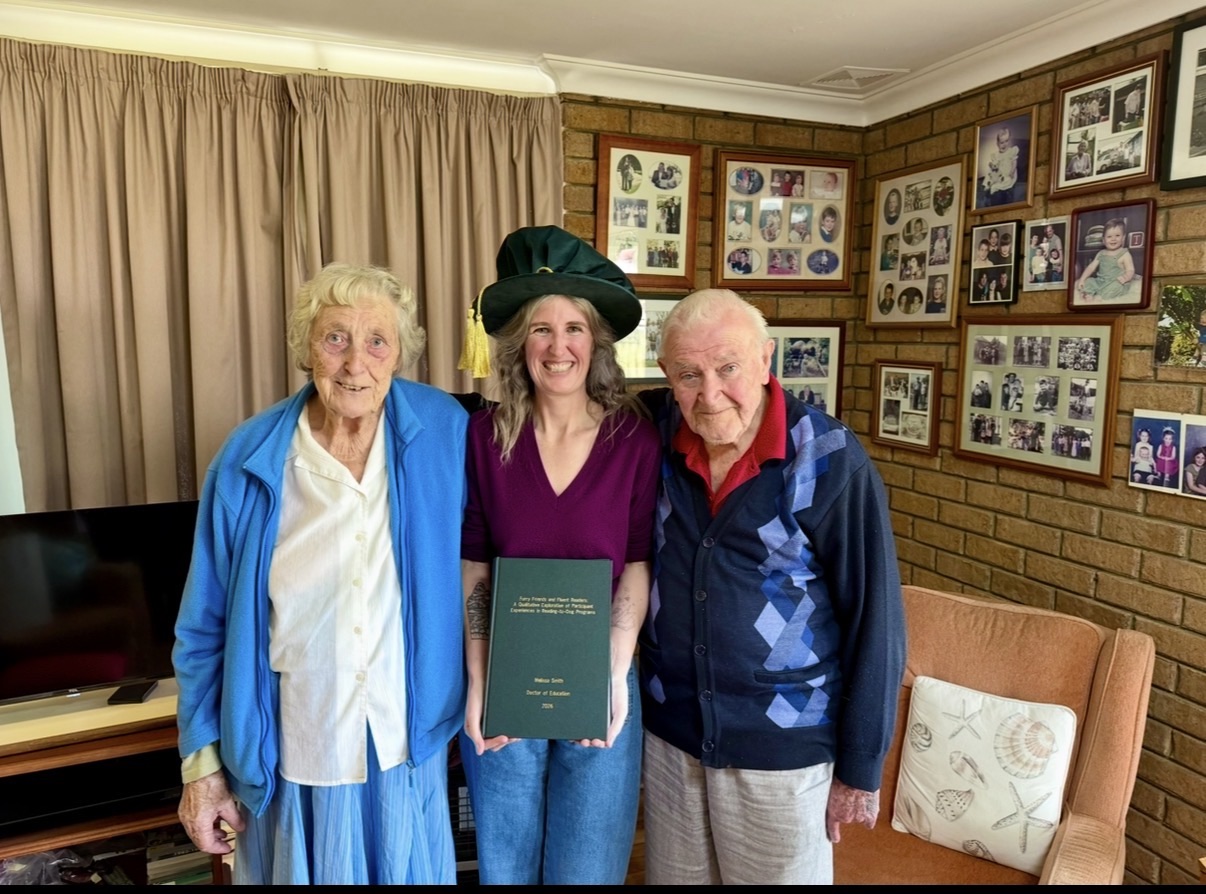
My 99-Year-Old Grandad Illustrated My Thesis

I know, I know… I’ve written about Stan Smith before. But he’s the best grandad there is, so I can’t help it. The evidence:
About 10 years ago, in his late 80s, he taught himself to use a computer and typed up his autobiography plus a pile of poems and short stories. I turned it into a blog for him and printed business cards, which he now gives out to EVERYONE: https://thelimorickcollectionblog.wordpress.com. We also had 30 hardcover copies printed and he held a little family book signing one Christmas.

He was a VET teacher for years. My love of reading, science and education comes straight from him and my grandma.

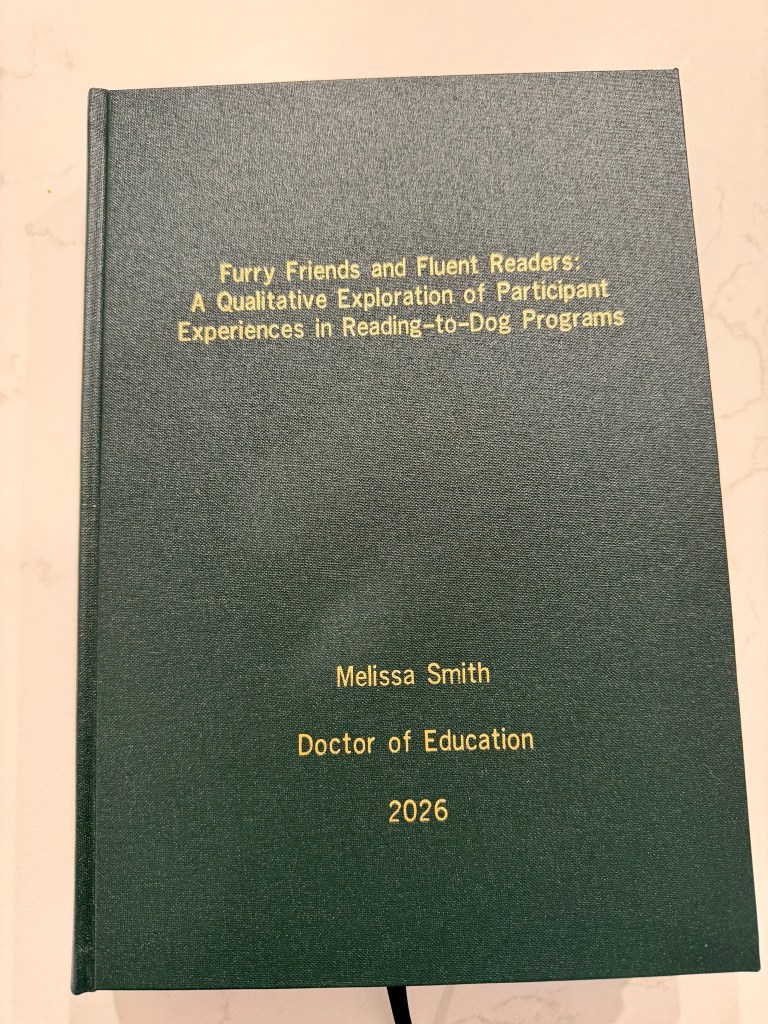
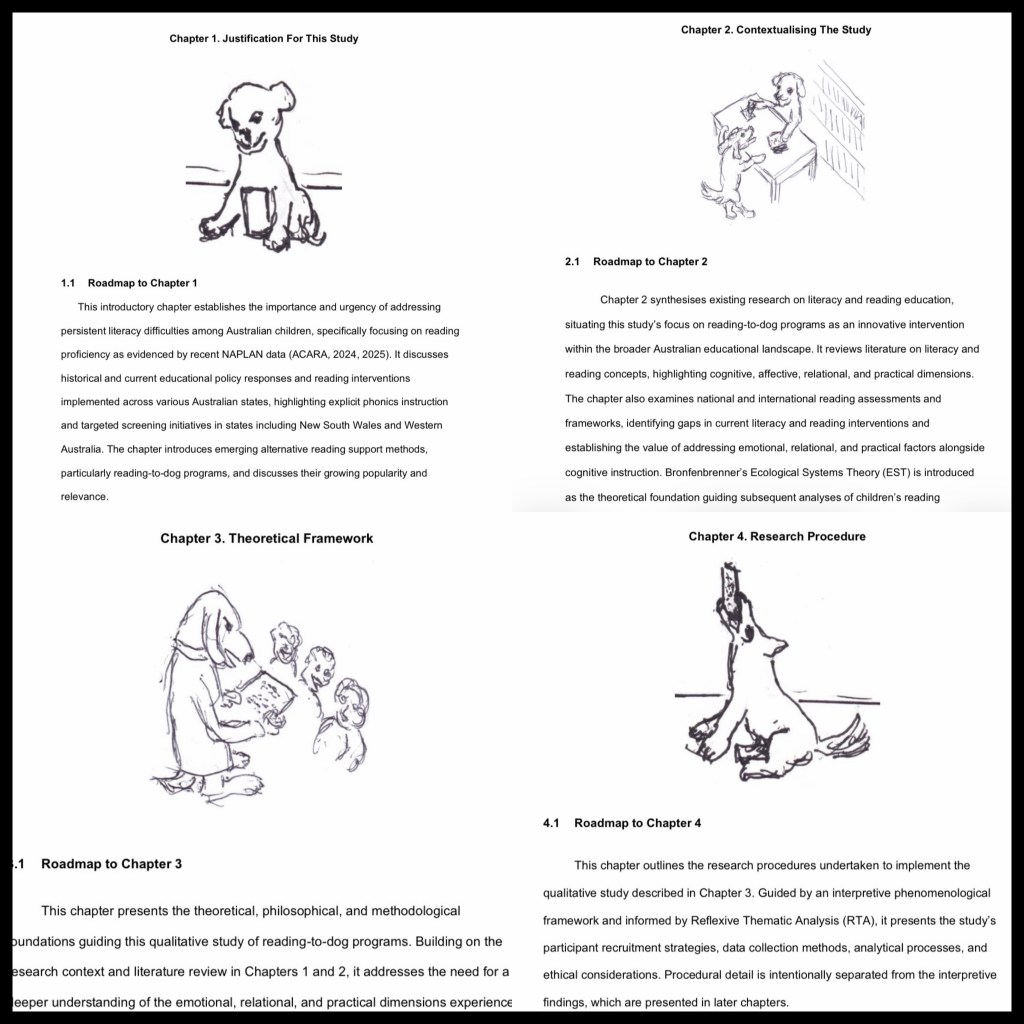
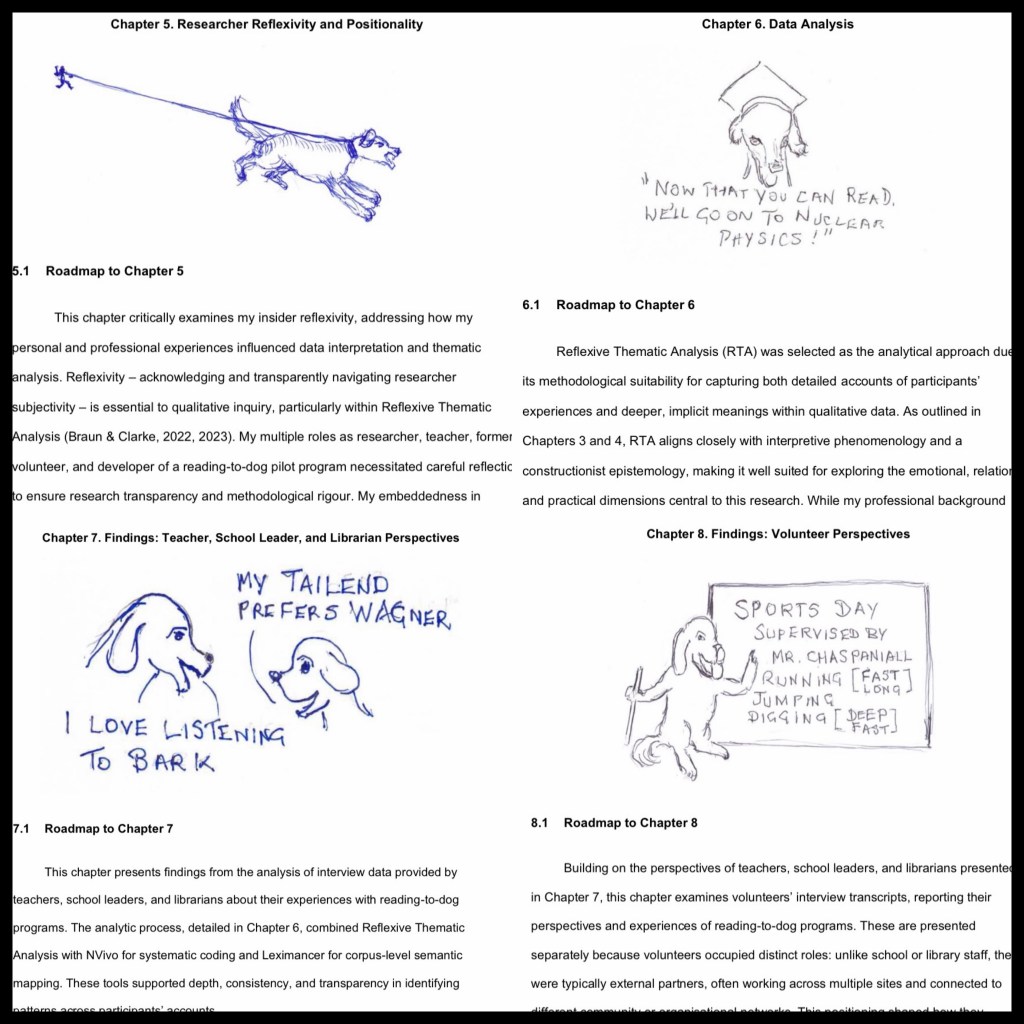
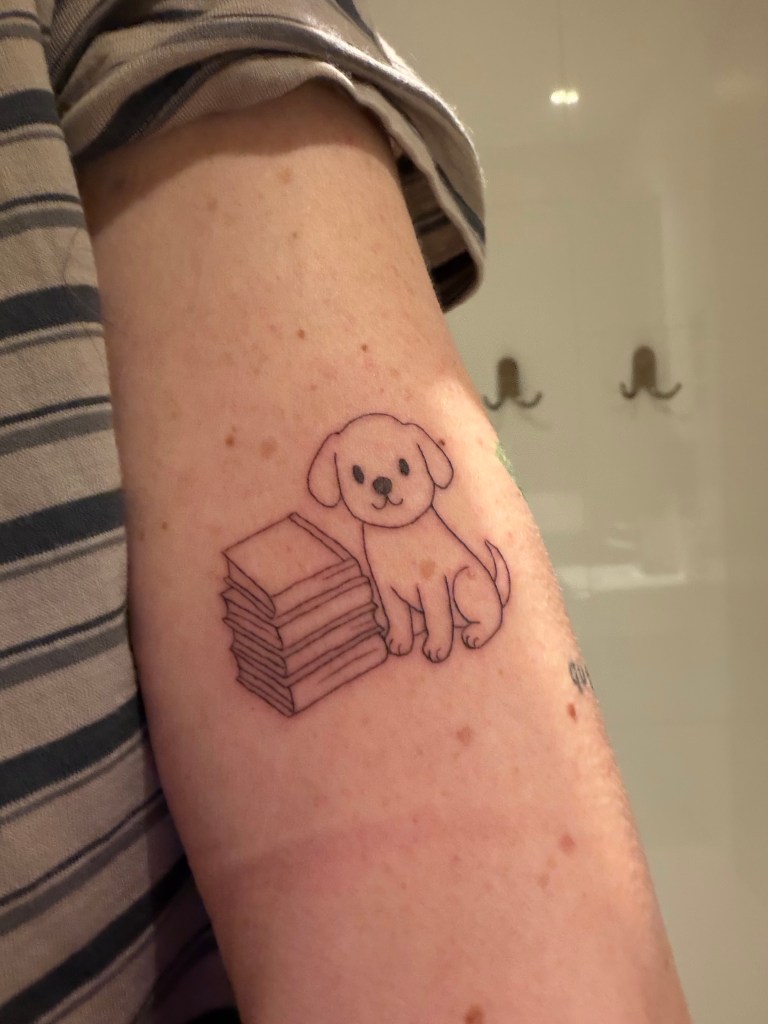
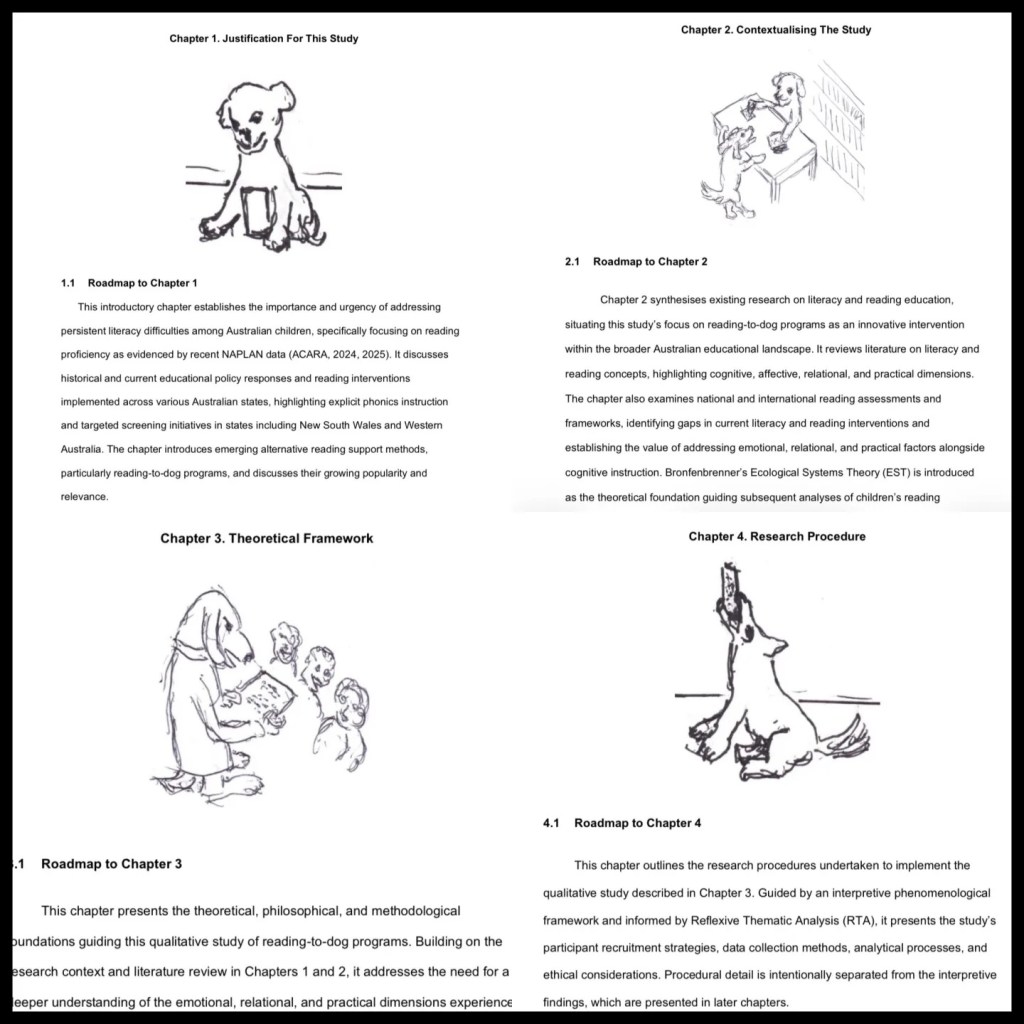
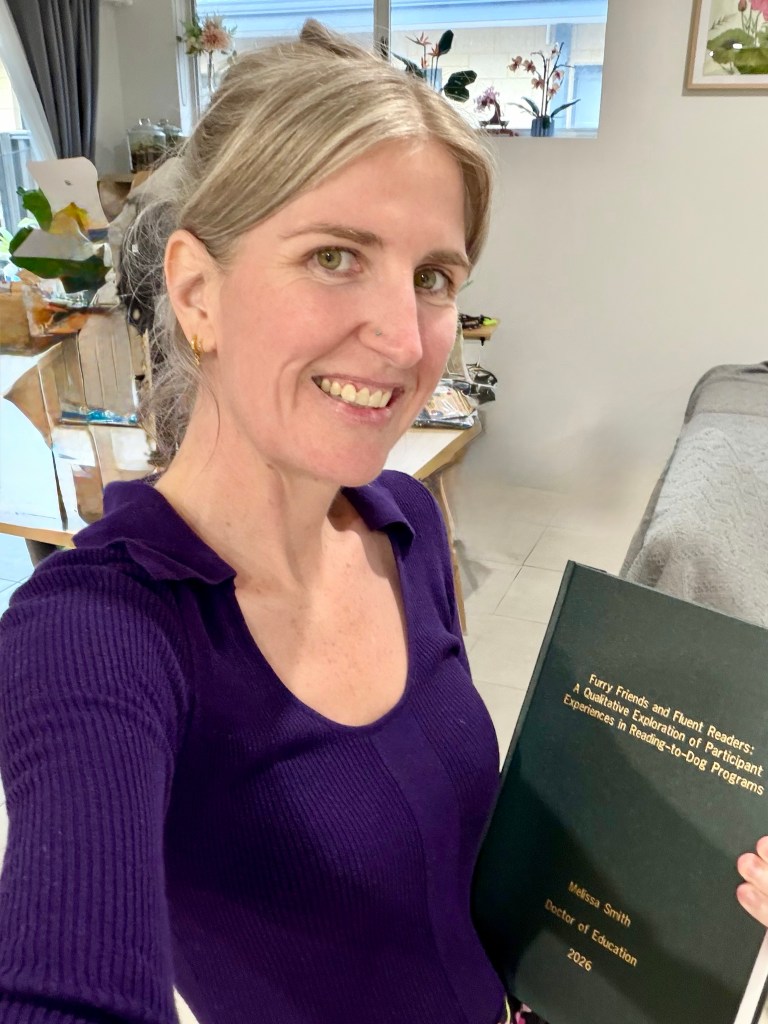
For each chapter of my 334-page doctoral thesis, he drew a dog-themed illustration. They’re published under every chapter heading, and he now has his own bound copy to show them off.
He helped raise me through a challenging childhood, put up with a lot of teen angst, backed every year of study, and is a fierce advocate for my childfree-by-choice life.

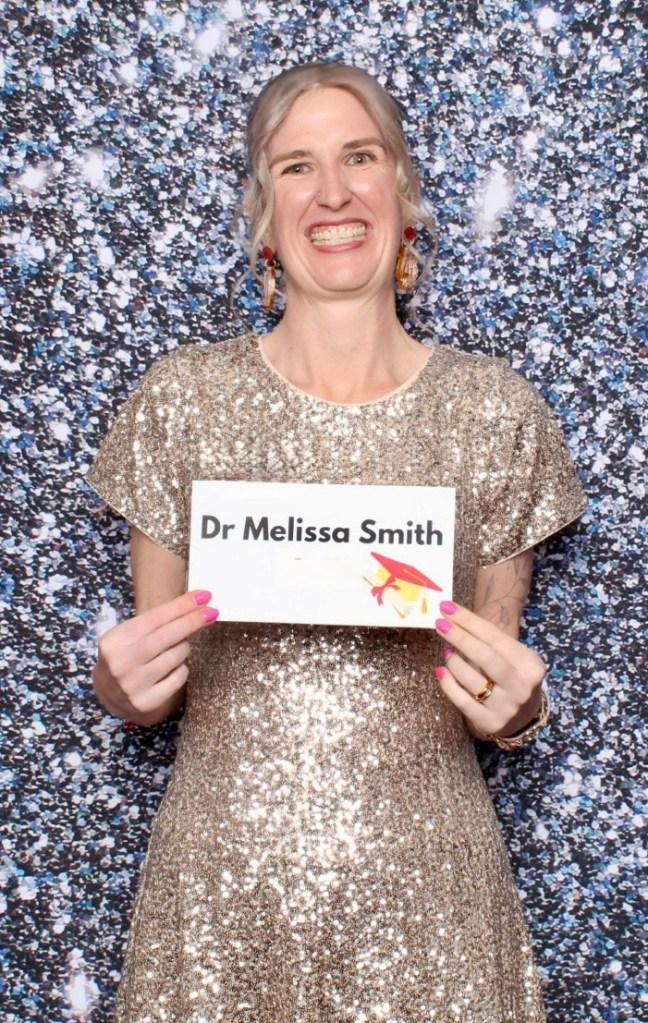
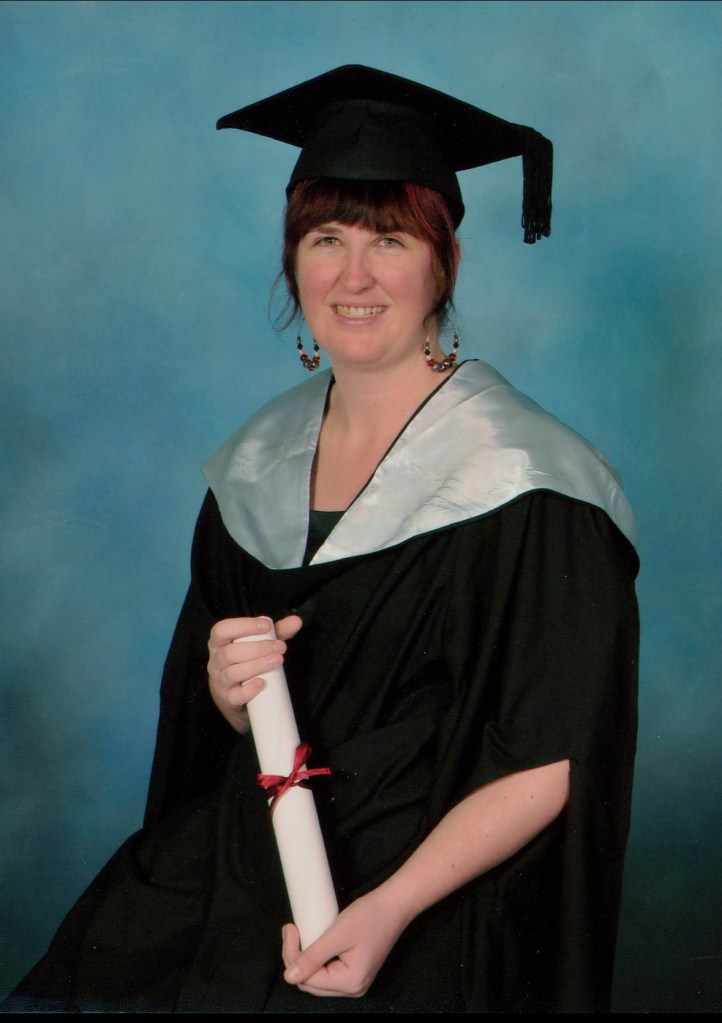
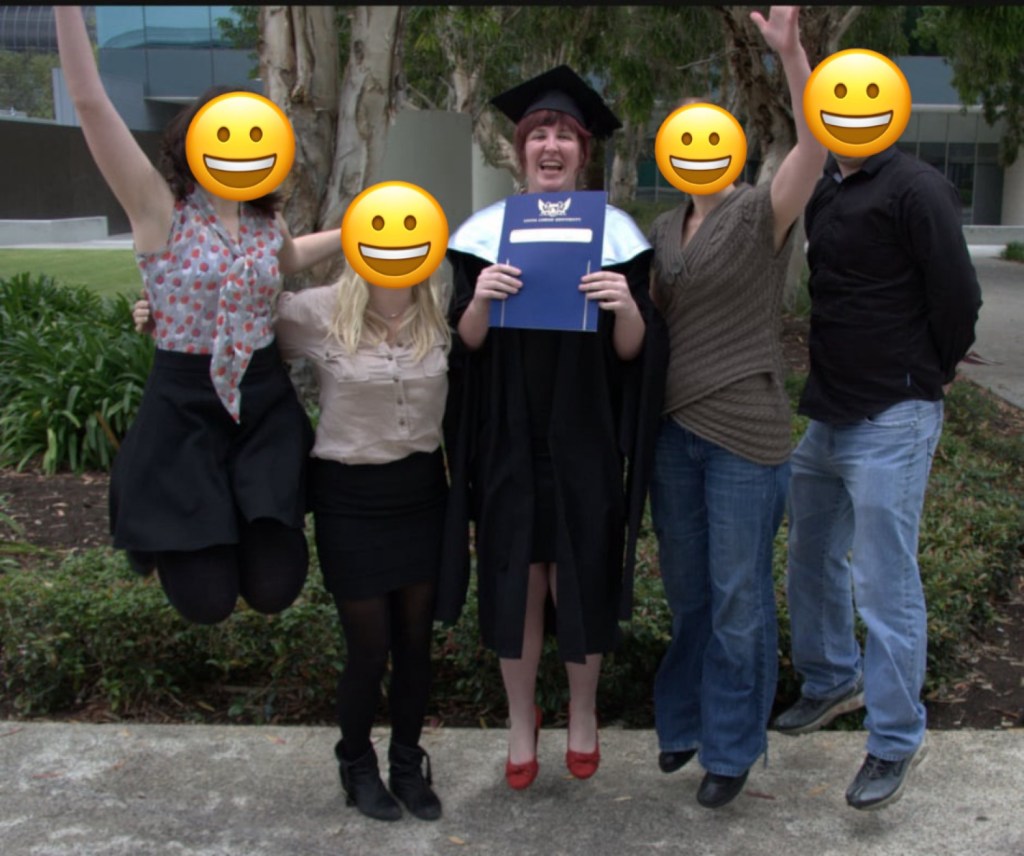
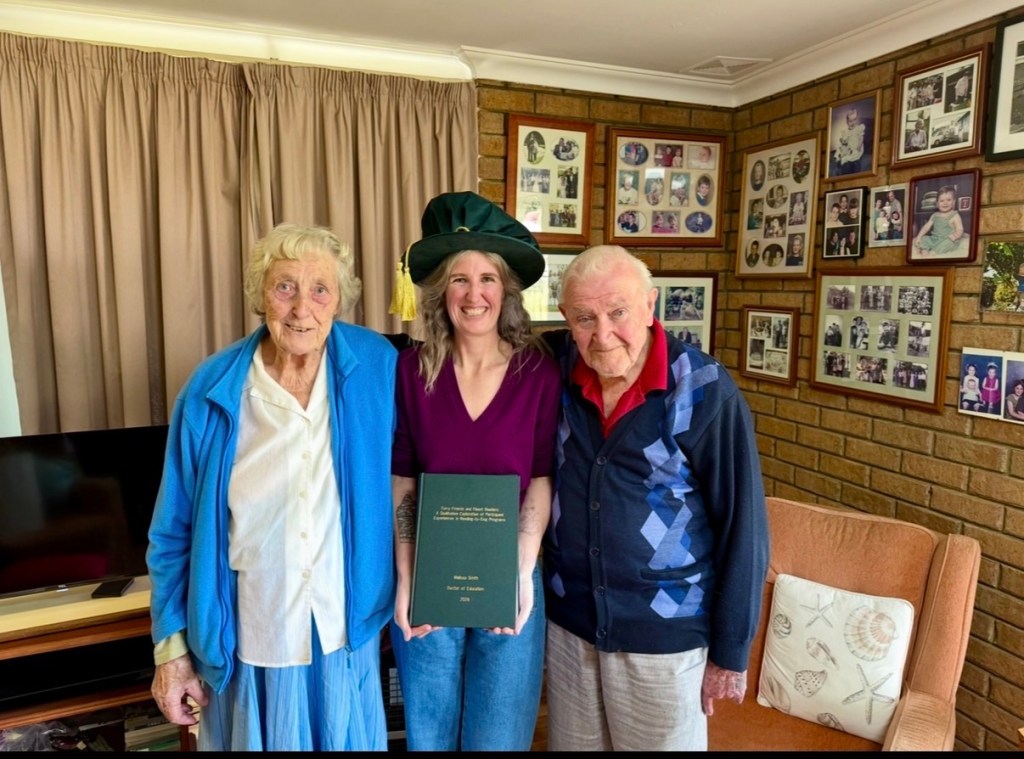
A few weeks ago I got to hand him his copy of the thesis and take some photos in my “wanky hat” before my graduation in Sydney next week. He and Grandma can’t travel for it, but another family member is setting up the live stream. Thanks for offering that option, CQUniversity .

Did I mention he’s 99?

Shoutout to my grandma Joan Smith too. Another wonderful person who has never wavered in her support, despite my ongoing acquisition of tattoos she doesn’t approve of 🤣
Imposter syndrome

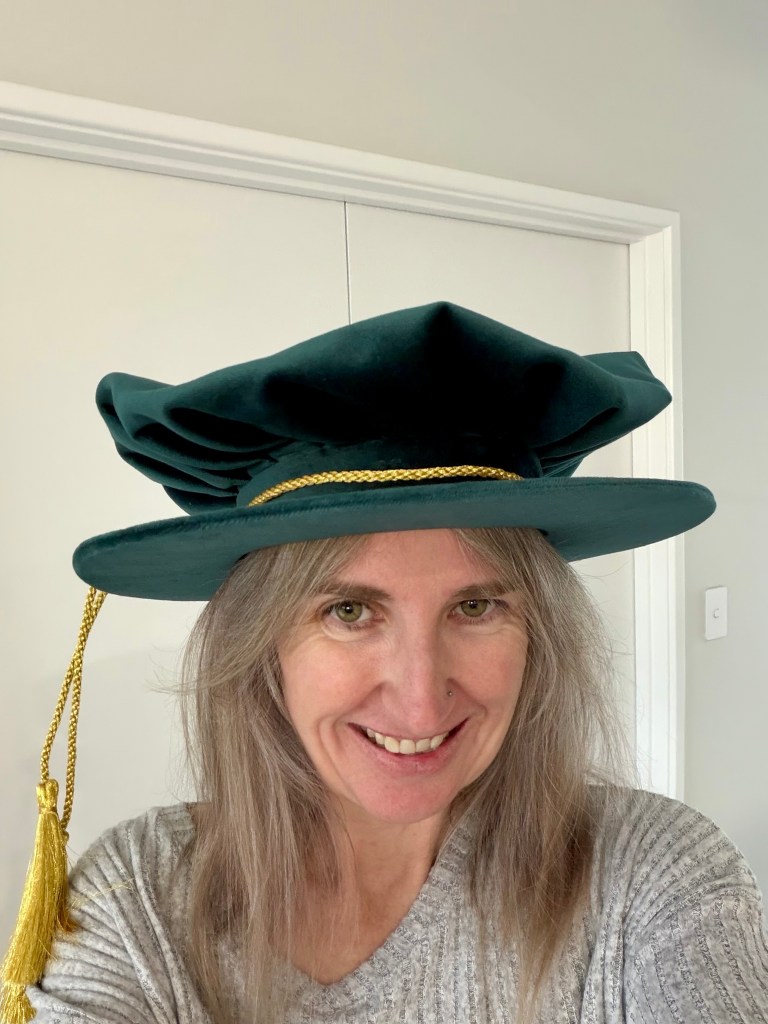
On August 20th I’ll walk across a stage and someone will read out my thesis then call me “Doctor”. My “wanky hat” (thanks for that name Tim Minchin) arrived last week.

And honestly? Part of me is still waiting for someone to tap me on the shoulder and say there’s been a mistake.

I’ve spent years learning and teaching others that this feeling has a name (imposter syndrome) but naming it doesn’t make it disappear. What’s helped me is realising that almost everyone I admire has felt it too.

So this post is a celebration…and a message to anyone else wondering if they belong in the room: you do. You earned your seat. Take it.

My bound thesis has arrived!

Returned from my relaxing Bali “snooze-cation” and found this had arrived at the front door! Super excited. It was also way heavier than I expected.

CQUniversity’s lovely SGR team and the amazing Susan Kinnear GAICD were kind enough to allow me to use some of my prize money (from Visualise Your Thesis) to print an extra copy. That means I can gift one to my grandad! He’s been a lifelong influence and supporter to me, and also contributed chapter heading drawings for each chapter in the final version (dog themed of course). He’s 99yo so can’t attend my graduation in August but will love having his own copy.

I went through White Law Binding in Melbourne and while we did have some shipping hiccups (they used couriers please (arrrrgh) the overall product and customer service was good. They also had an easy to navigate online site and were very competitive with pricing.

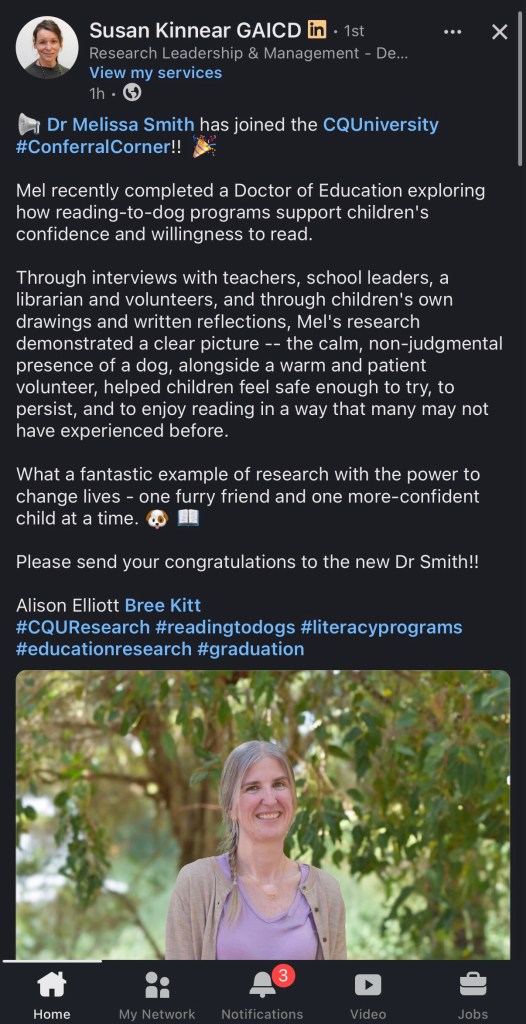
Conferral corner

At CQU they do this amazing thing (because they are a fairly small cohort of higher degree by research students) called “conferral corner”. Every time someone completes their research degree, the Dean of Graduate Research does a wonderful post on LinkedIn to celebrate. I’ve been watching conferral corner for 3.5 years now and was very stoked to make it in there the other day.

Why I’m Self-Publishing a Book About Surviving Your PhD

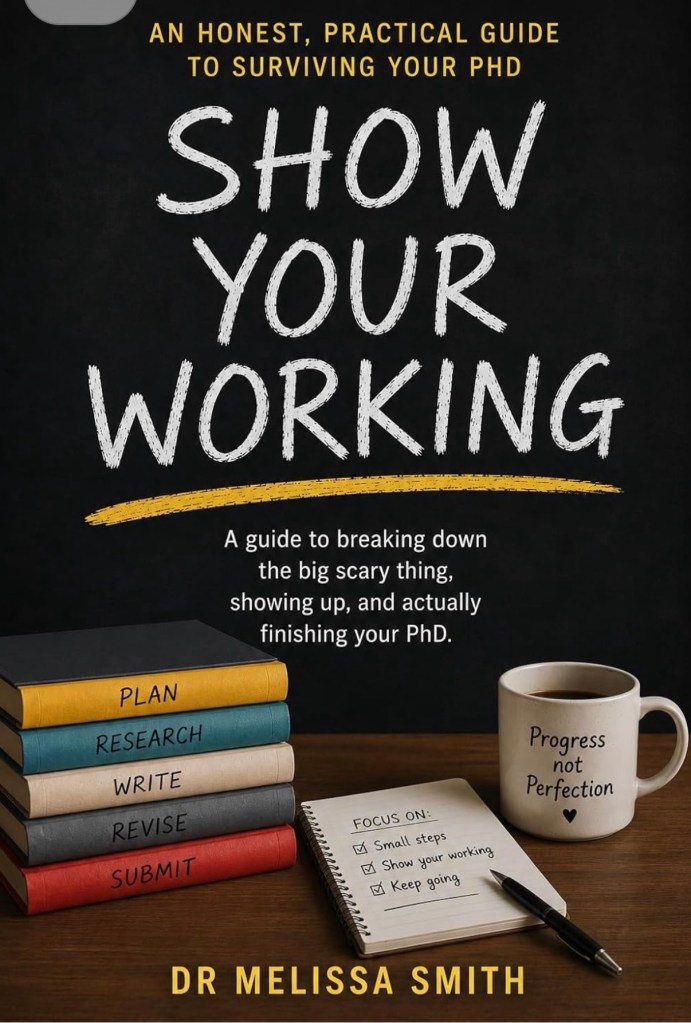
So, I am writing a short book. Because a thesis wasn’t enough! Here’s my mocked up cover.

I am l self-publishing a short book about surviving a doctorate, and it is called Show Your Working: An Honest, Practical Guide to Surviving Your PhD. My experience was pretty full on and I hit a lot of barriers and challenges….and I wish there had been something I could read with handy, authentic tips.


If you have been following along, you know I have tried to document my doctorate honestly. The wins, yes, but also the parts we usually keep quiet. The feedback that left me frozen. The job I did not get. The examiners who disagreed with each other so strongly a third had to be brought in. The strange, lonely waiting. Every single time I shared one of those harder things here or on LinkedIn, people sent me a version of the same message: thank you, nobody told me it was like this, it’s nice to know I’m not alone.


That sentence is the whole reason for the book.
We are so good at sharing the shiny outcomes, and not so good at sharing the messy middle, the rejections, and the results that are not a tidy “pass with no revisions.” I wanted to write the honest map I wish someone had handed me at the very start. Not a list of rules from on high, just one person who has recently walked the road and still has the mud on her boots.


I also bring a slightly unusual angle to it. Before academia I spent twenty years as a classroom teacher and school leader. My whole job was taking something hard and scary and breaking it down so the person in front of me could actually engage with it. It turns out that is exactly the skill set a PhD demands, so the book runs on that teacher’s lens the whole way through. Practical, kind, and refreshingly free of the toxic positivity that somehow makes you feel worse.


The book is growing straight out of this blog. Many of the posts you have read here are becoming chapters, expanded and tidied up, and each one finishes with three little features:


• A Teacher’s Note, where I reframe the challenge the way I would scaffold it for a learner.


• A Real Talk box, for the unvarnished truth about how it actually felt.


• A tiny Your One Small Thing action, because momentum beats motivation every time.


I am self-publishing on purpose. It means I get to keep the book honest, affordable, and genuinely useful.


So that is what I am quietly working on behind the scenes. And I would genuinely love your help shaping it.


Update: you can click here to read it.

Here’s the direct link as well: https://amzn.asia/d/04Fu2kdz

Thesis revision edits: slowly working my way through them

After a few solid (long) days of work, I am about halfway through responding to the revision comments on my EdD thesis. That’s halfway in numbers – not actual content changes!

I have taken my supervisors advice and started with the smaller edits first before slowly working my way through the bigger sections. There are… quite a few comments, but that’s the nature of the revision stage. It’s all about strengthening the work and tightening the argument.

A quote I keep coming back to during this process is one I CONSTANTLY quote at my own students: How do you eat an elephant? One bite at a time.

So in thesis terms, one comment at a time.

Slowly, steadily, getting there 🐘🍴

P.S. do you like my mishmashed thesis elephant? He is both cute and accurate.

Graduation dresses and how to style them – updated 2026

I was asked again today about what to wear for graduations from someone who would like to wear a dress. I’m now going to expand on what I’ve learnt over 4 University grads and working at a uni. I actually wrote some of this up ages ago as a blog post and a linkedin post and it gets a fair bit of traction. I’m going to update it!

My advice:

Okay – so the most important Q is what colour is the gown and sash!? That’s your starting point.

  1. In Australia our gowns for UG and Masters are generally black and open at the front, which can look very different to other countries. So your dress or clothing will be visible.
  2. The gowns usually come to midi dress length. This adjusts based on how tall you are but generally halfway between knees and ankles is about right
  3. With that in mind, I recommend a plain coloured dress that does not clash with your sash colour. Here’s what I wore for mine:
  • undergrad light blue sash: patterned blue top and long pants NO NO NO! Wish I could redo this one. Plain colours! And my pants were dark so blended into my gown and it just didn’t work so well. I looked very stumpy. This is also why I don’t recommend ankle length skirts or dresses if you have an option – they don’t seem to work as well with the length of our gowns. If you are wearing longer pants or a longer dress because that’s your style, I actually encourage patterned pants/skirt with a plain top. This will give definition between the gown/legs but also allow the sash/bonnet to stand out.
  • masters 1 – dark blue bonnet style sash: black fitted dress to just above my knees and bright red flat shoes. I also had bright red hair. This look was a good one! I love my photos from this event.
  • masters 2: bright yellow sash: would have reworn a variation of the black dress style to my knees I think, ended up cancelling as it was interstate and I was in hospital. Alternatively I would have gone with something that matches yellow. What matches yellow? Maybe purple?
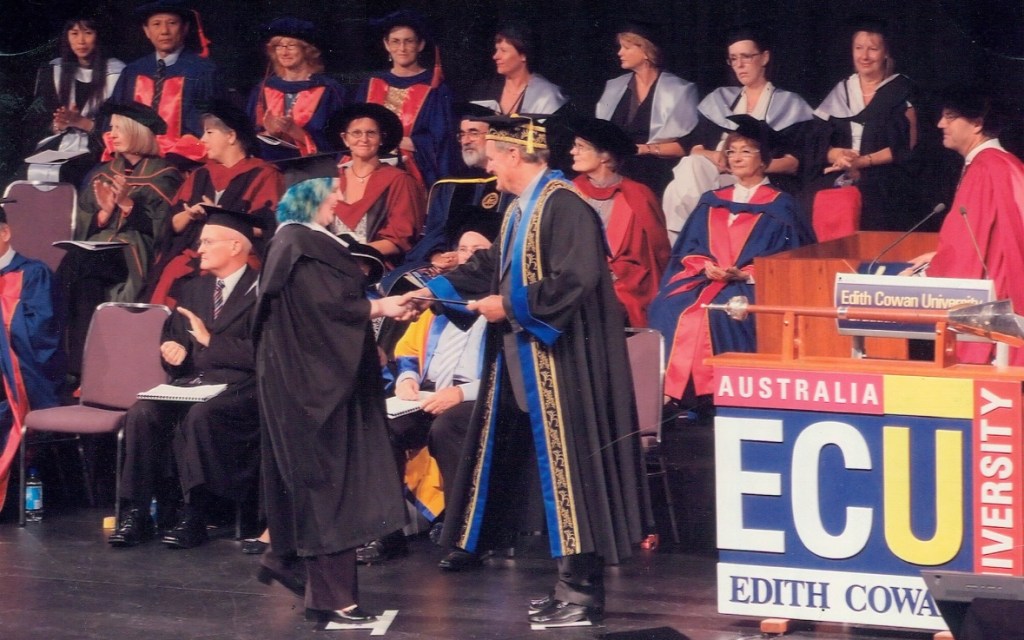
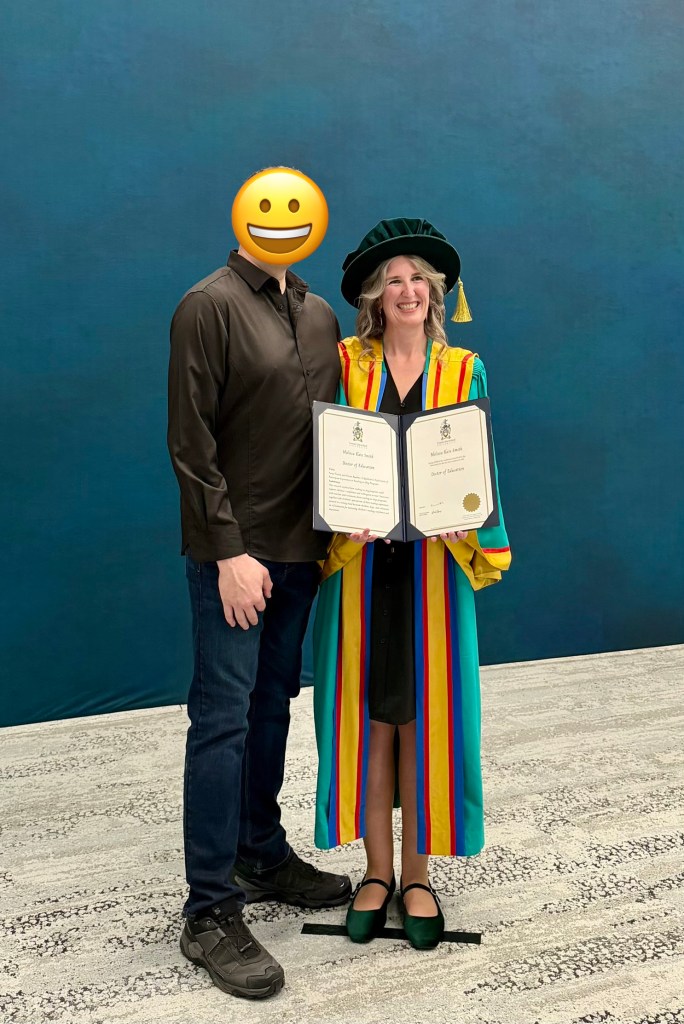
  • Doctorate: I attended the uni known as “the parrot gown”. It’s the brightest in Australia – blue, green, gold and red! Bonkers! I also get a beautiful emerald green doctoral bonnet!! I had a few style thoughts rotate through for this one. I had a lovely purple dress which was winning for awhile (embrace the colour!) but after looking at lots of photos I went with a knee length plain black dress with a cinched in waist (and pockets!). I had to wear flats due to my back injury so went with some emerald green suede rollie flat shoes….they matched my bonnet!

A few other notes.

Hair – if you have a standard mortar board style wear your hair down or partially down. The second time my hair was up and it did not occur to me how hard it would be to get the hat on! Friends ended up having to take down part of my lovely up-do I had paid $100 for so we could get the hat on. Did not think that one through.

Shoes – please, reconsider if you want to be a baby giraffe. Wear sensible shoes you are confident and comfortable walking in. You’re probably gonna have to go up a couple of stairs and walk over a stage…don’t be the person who trips!

Dress length – I know mini dresses are the style at the moment and if you’ve got the legs friend, I envy you! Not saying don’t do it BUT be aware the gown will make a short dress look even shorter. Kinda like a dressing gown? So I would really suggest mid thigh at least and closer to knees if you can find one you love. Maxi dresses can be a bit much and have a lot of bulk at the bottom so that’s also something to consider.

Pockets – omg pockets in dresses are amazing and also mean you’re not carrying around a bag, your award, possible flowers etc. Pockets!!! One of my dresses did not have pockets so I wore bike shorts under it with deep side pockets and stuck my phone and my makeup touch up tools in each side. My dress flared out so they wouldn’t be visible.

Stockings – I didn’t mention this initially but am adding it in. I’ve gone up and down in weight in my life (as you can see in the below photos) and I always wear stockings with dresses. It covers up my chunky knees, my varicose veins and makes me feel way less self conscious. Even with the bike shorts I’ll likely have stockings! So you do whatever you need to do to feel comfortable but stockings can be as light as 7 denier now.

————- other countries ———-

If your gown doesn’t open at the front (more common in the US/UK), I still recommend a knee-length dress – your gown should ideally be longer than the dress unless you have reasons otherwise. Avoid full-length boots; ankle boots or heels/flats look better for this style of gown.

Most importantly and regardless of what you wear, take lots of photos! At my undergrad, I gave my guest tickets to a friend (no regrets – it meant her whole family came), but as a result I only have two photos….and that I do regret.

Undergraduate graduation 2006
First MEd graduation 2012
First MEd graduation 2012 (did not attend second MEd in 2018)

Photo my of my doctoral gown, bonnet and very plain black dress underneath

**note: originally published 25 Jan 2025, updated August 2026

Thesis revisions after final examination – first steps and feelings

In the interests of continuing my transparent doctoral journey, I recently received the examination outcome for my Doctor of Education thesis. I want to share my result because I’ve felt very lonely experiencing this the past few months…we often share about the minor and no revision outcomes (as we should!) but don’t talk about the other outcomes and the process that happens after that.

The result was major revisions – internal review, which means the thesis has successfully passed the external examination and now moves towards an “extra” final revision stage. The next step is to address the (detailed) examiner feedback before submitting the corrected thesis to an internal university panel for final approval.

This outcome took a little longer than expected. The first two examiner reports returned very different recommendations, so a third examiner was appointed. With that process unfolding over the Christmas period, the timeline stretched out more than originally planned. The thesis was submitted in October, and the reports arrived last week.

People don’t really talk about these delays or this aspect of the process and I’ve met a few people recently experiencing similar delays and feeling a bit lost – I was happy to be able to share my experience and reassure them! But also to tell them IT IS OKAY TO FEEL THE FEELS. People kept telling me to focus on something else and while I know they were trying to help, I really wish I’d been able to talk to someone who had been through this.

My three examiners have asked for a number of revisions to strengthen the presentation of the evidence and clarify aspects of the methodology. It’s a substantial amount of work, but it doesn’t change the core of the research. One thing that has really stood out to me is how much the revision stage is about refining and strengthening the work, not tearing it down.

So the next few months will be spent editing, clarifying, and polishing the final version of the thesis before it goes off to that internal panel for a final outcome.

The finish line is getting closer, and I’m incredibly grateful to my supervisors and to the many people who continue to support me along the way.

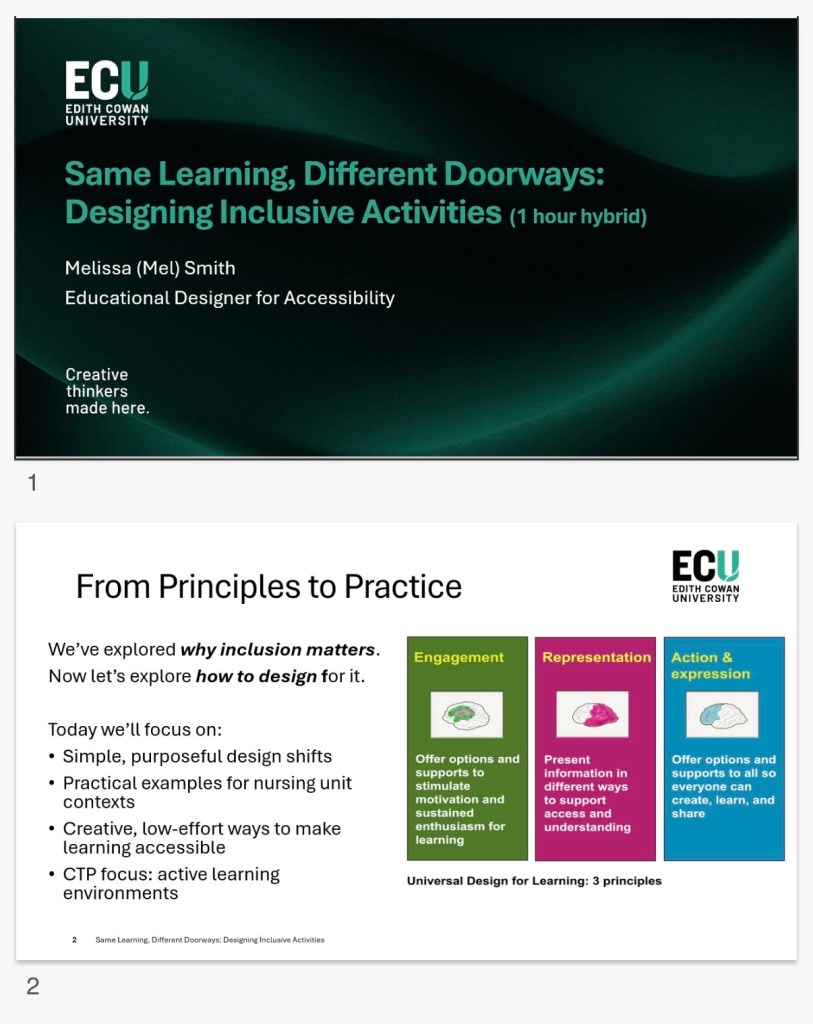
Ran my first UDL workshop today 

As part of my temporary role at Edith Cowan University, I facilitated a hands-on Universal Design for Learning (UDL) workshop that blended practical modelling with the theory behind inclusive design. It was a lively, engaging session – full of conversation, connection, and “aha” moments about how small design shifts can make learning work better for everyone (including us as educators!).

It’s exciting to see such genuine enthusiasm for UDL in the nursing schoo…the energy in the room today was a great reminder of why I love this work.