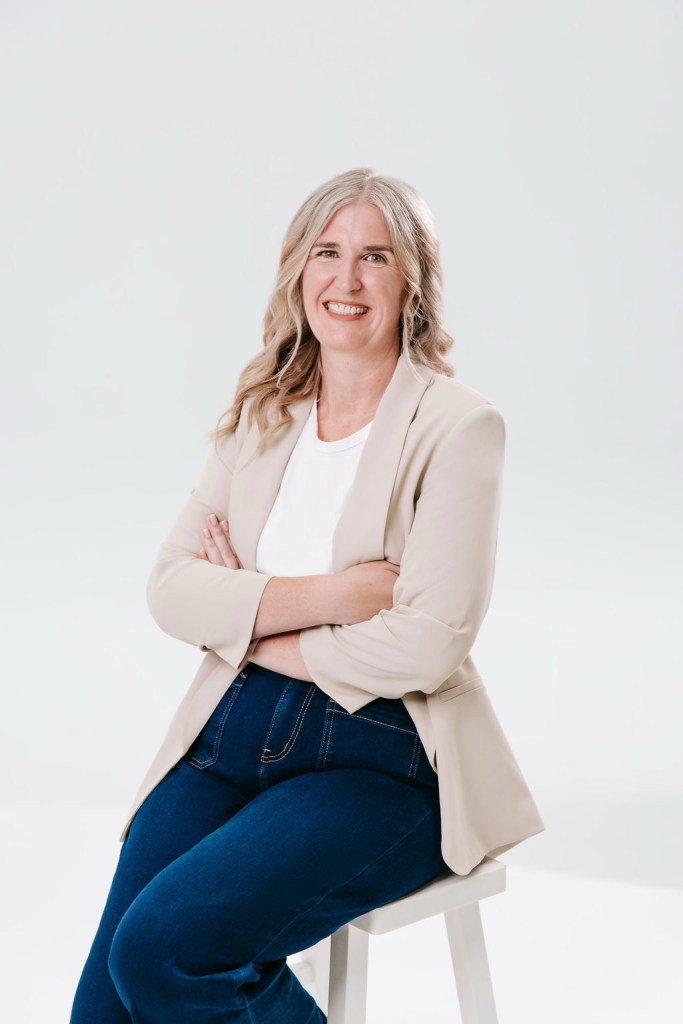
I have shared my research and experiences across many areas including oral communication skills for tertiary students, literacy development, trauma informed education, volunteering programs in schools, literacy/language support at university and reading to dogs. I am also an RHD Student Mentor and I support other RHD students to access information and build connections.
This blog is a “professional” one focusing on my perceptions, musings and reflections in these areas.
Graduation outfits and how to style them – updated 2026
I was asked again today about what to wear for graduations from someone who would like to wear a dress. I’m now going to expand on what I’ve learnt over 3 (almost 4) University grads and working at a uni. I actually wrote some of this up ages ago as a blog post and a…

Thesis revisions after final examination – first steps and feelings
In the interests of continuing my transparent doctoral journey, I recently received the examination outcome for my Doctor of Education thesis. I want to share my result because I’ve felt very lonely experiencing this the past few months…we often share about the minor and no revision outcomes (as we should!) but don’t talk about the…
Ran my first UDL workshop today
As part of my temporary role at Edith Cowan University, I facilitated a hands-on Universal Design for Learning (UDL) workshop that blended practical modelling with the theory behind inclusive design. It was a lively, engaging session – full of conversation, connection, and “aha” moments about how small design shifts can make learning work better for…
Riding the Wave: Visualise Your Thesis Goes International
After winning the CQUniversity 2025 Visualise Your Thesis (VYT) competition, my claymation video on reading-to-dog programs as literacy interventions has now entered the international round. It’s been such a joy seeing my little clay dog take on a life of his own and help share my research story with a wider audience. This week, I’ve…
What does a PhD in Australia actually look like? What’s the structure?
As I have been updating my progress recently I have been asked what different milestones actually mean? What is a doctoral degree? It’s not just “writing a really long book” although that’s definitely part of it. It also differs from country to country. So heres a summary in Mel-speak for you. Here’s what the journey…
Stan Smith – the best grandad ever
Let’s talk about Stan Smith, my 98yo Grandad and my favourite person. Aside from being an excellent grandparent (and stand in parent at various times in my turbulent childhood) he was also an accomplished glass blower and TAFE teacher. He has always been a prolific reader and writer and my passion for storytelling and teaching…
Thesis Submitters’ Toolkit: What I’m Using to Stay Productive While Waiting
Last week I hit a big milestone: I submitted my thesis for examination! After 3 years of writing, revising, and living with this project, it’s finally out of my hands. Now comes the strange in-between space – the waiting. As I’m in Australia, the next steps for me are two external examiners review it over…
Visualise Your Thesis 2025 CQU Winner – My Top Tips!
My Visualise Your Thesis (VYT) 2025 entry is now live in the international gallery! The competition showcases graduate researchers around the world, each sharing their work in short, engaging videos. My entry was the CQUniversity winner in 2025 and uses claymation to share my doctoral research on reading-to-dog programs as reading interventions 🐶📚. You can…
Rejection in Academia (employment related)
I didn’t get the job. And I want to say it out loud, because we don’t often share the “no.” And we especially don’t do it on that shiny FB self promotion site we all use to try and get work. We share new titles, promotions, opportunities. We rarely share the rejection email that makes…
Finishing Line in Sight: How I’m Preparing for My Doctoral Submission
There’s a strange mix of relief and panic that comes with the final months of a doctorate. Submission suddenly feels real and within reach, but so does the long list of edits, formatting tweaks, and final checks. It’s a season of tying loose ends, trusting the work I’ve put in, and finding small ways to…
Struggling at the end stages of thesis writing
The final stretch of a thesis is supposed to feel like the end is in sight… right? But right now, it doesn’t. I’m in the thick of it.The last lot of feedback hit harder than I expected, and instead of motivating me, it’s left me frozen. I know it’s meant to strengthen my work…and it…
World cafe learning activity
Today I helped to run an activity for Murdoch Uni teaching staff based on the “world cafe” method. It was fantastic to see it in action, consider the modifications already made for accessibility and then discuss other things that could change. So many ideas! The World Café is a structured conversational process for fostering participatory learning…
How I Balance Casual Work, Doctorate Studies, and Still Keep My Weekends
I’ve seen a lot of online queries lately asking how people manage working part-time (or casually) while completing a PhD – and still have time for themselves. I thought it might be helpful to share what’s worked for me in one place. Let’s be real: juggling academic work, a thesis, and a life isn’t easy.…
Beyond the Lecterns: Why After-Hours Socials at Conferences Matter
Let’s be honest: when you’re juggling teaching/work, research deadlines, writing, and the mental load of Research by Higher Degree (RHD) study, the idea of attending a conference social event might feel… expendable. It’s easy to convince yourself you’ll skip the welcome drinks or dinner, head back to the hotel, and catch up on work (or…
When Research Gets Adorably Meta
As an external doctoral student with CQUniversity’s School of Education and the Arts, I don’t always feel the buzz of campus life. But this week, that changed. I opened my mailbox to find a crinkled (but heartfelt!) letter from the research team – and two tiny, delightful surprises: a Yorkshire Terrier mini-block set and a…
Proof reading / editing process at my uni
Recently I’ve been supporting several students as they head towards the end of their thesis journey at my Australian Uni. I’m also at that stage and was asked about the proofreading process and budget allocation for this. Below are the points I wrote out specific to my own experience. 1. Talk to your supervisors and…
Why GANTT Charts (and Sub-Tasks!) Saved My Sanity During a Doctorate
At the start of my doctorate, everyone talked about the big things: research questions, ethics approvals, coding frameworks, findings chapters. But what helped me most? A GANTT chart and a stack of colour-coded sub-tasks. This blog isn’t about “how to do a GANTT chart” (there are plenty of templates out there). It’s about why it’s…
Who will you thank in thesis acknowledgements?
I was reading responses today on a PhD forum around who people thanked in their thesis acknowledgement/personal thank you section. Some were very simple (committee, god, family) and others were much more extensive. One person even had none! I’m a few months off that stage now so it’s been on my mind recently. My list…
Holding Space: What I Learned About Listening During Interviews
I’m a teacher. I’m used to guiding, explaining, facilitating. So when I started interviewing volunteers, I brought that with me. But reflexive interviewing, I learned, is not about guiding. It’s about holding space. I added a final question to every interview: “Is there anything else you’d like to share?” That one question changed things. So…
 Melissa Smith