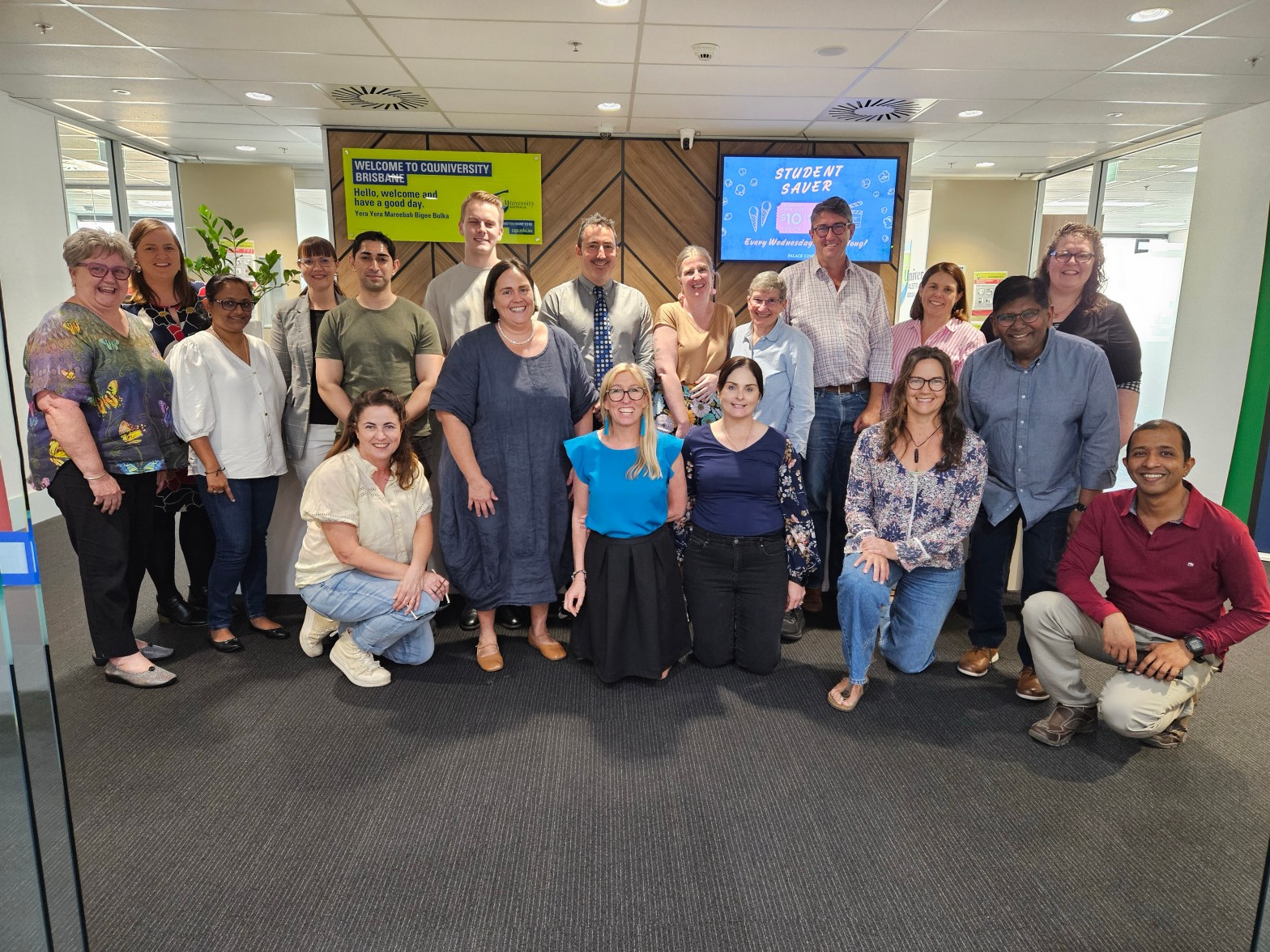
I was lucky enough to be offered a funded spot at a Thematic Analysis Masterclass with Dr Claire Moran in Brisbane over the last few days. She is building a website currently but in the meantime, this is Claire’s info: https://about.uq.edu.au/experts/10684
I flew out of Perth at 8am on the Sunday morning and arrived in Brisbane a day early to ensure I could make it on time for Day 1. Props to CQUs school of graduate research for always being considerate about flight times when I get to visit.
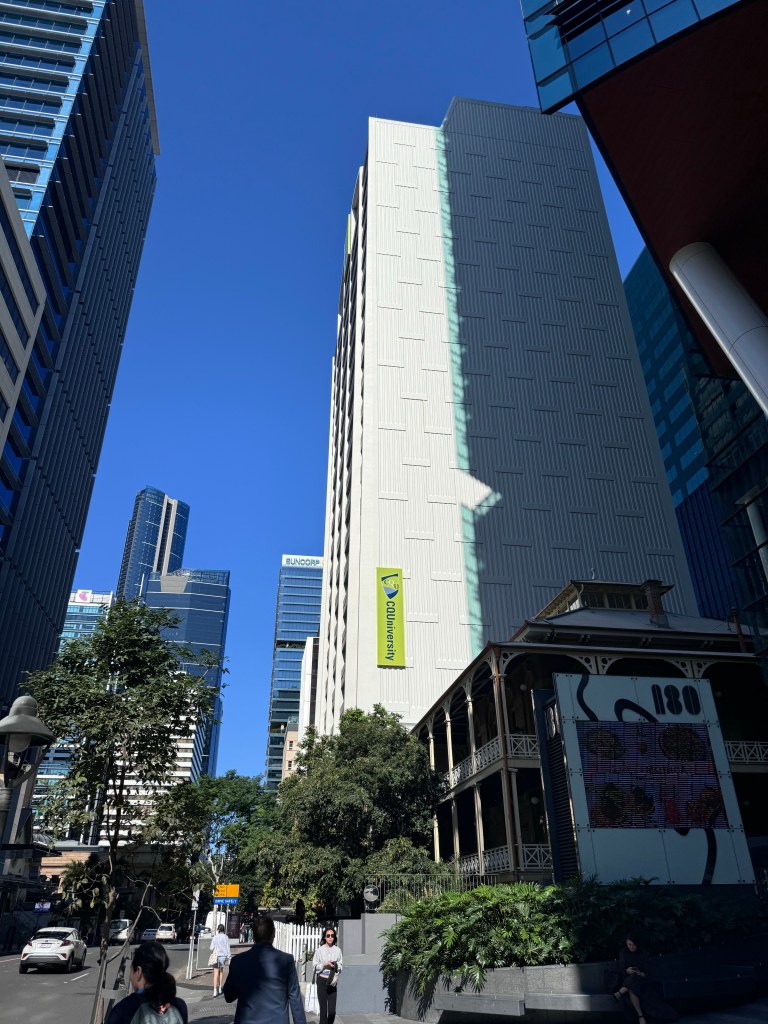
CQU Brisbane is in the city centre and the hotel was walking distance – so a great set up.
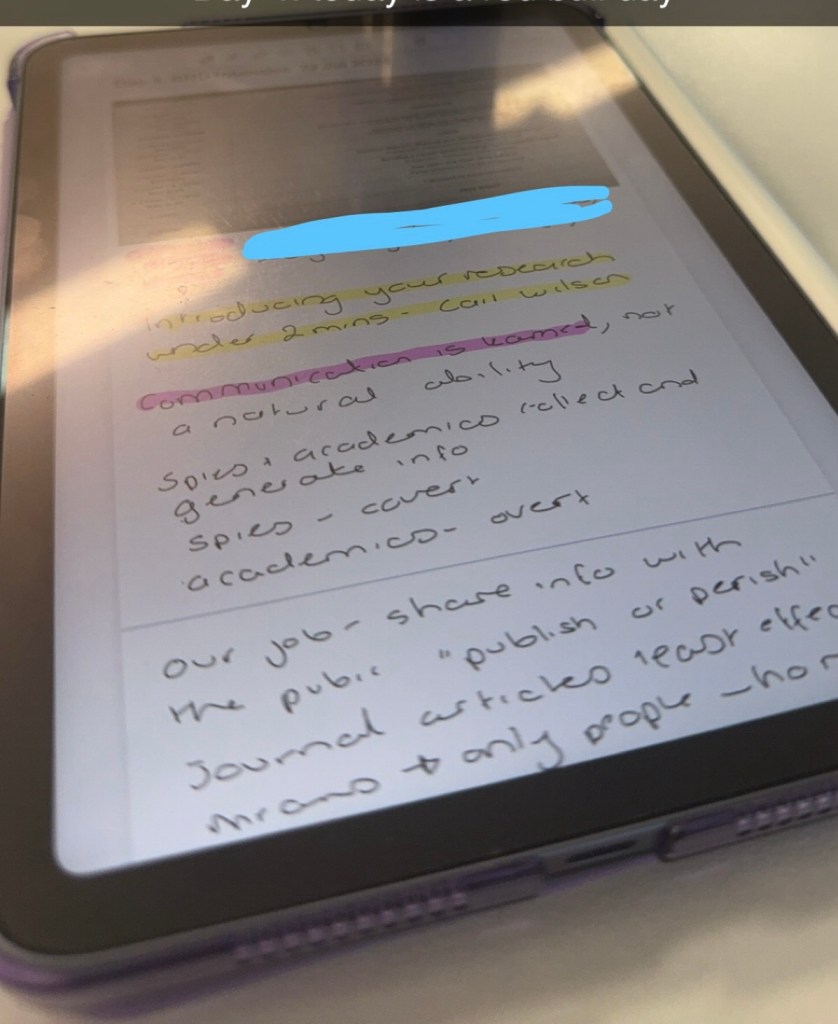
Being a teacher and an academic, I’ve been to many PDs and training courses over my career. I’ve had amazing experiences and I’ve had….well, awful ones. Claire was hands down one of the best presenters I have engaged with in 22 years in education. We had 20ish students squished into a small room and she still made it feel personalised and targeted.
So, what made it so good?
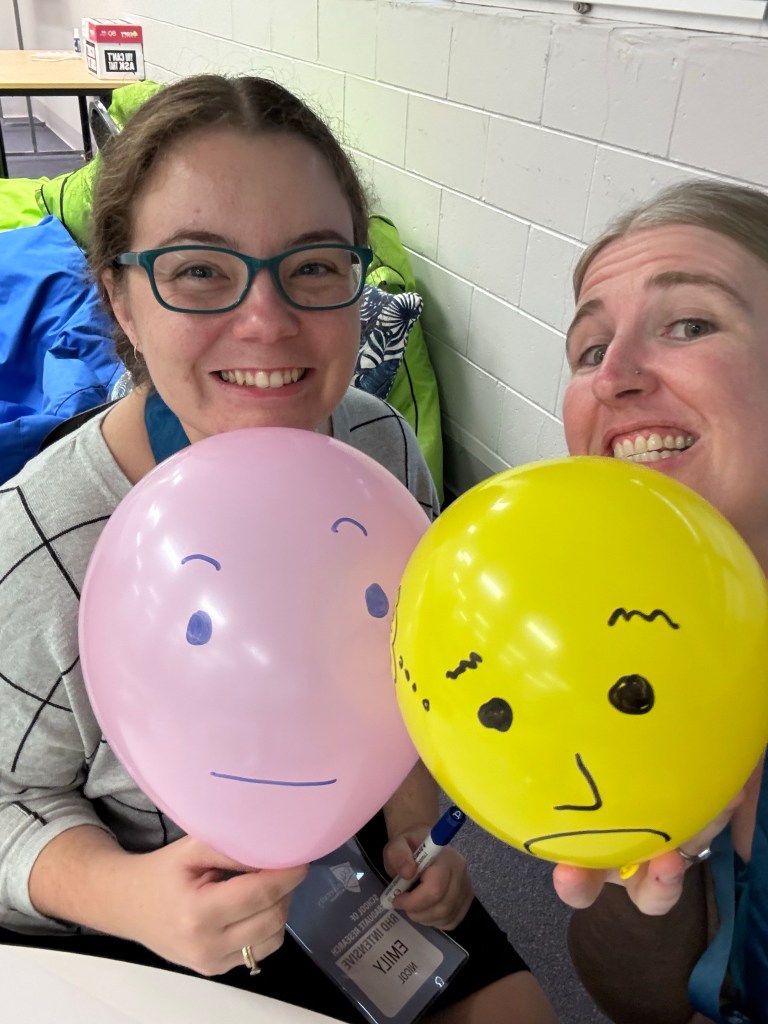
- Claire was friendly and approachable, used names (name tents) and told jokes etc. Not awkward and very genuine
- Claire told us a bit about her but not too much. It was a great balance of personal and professional
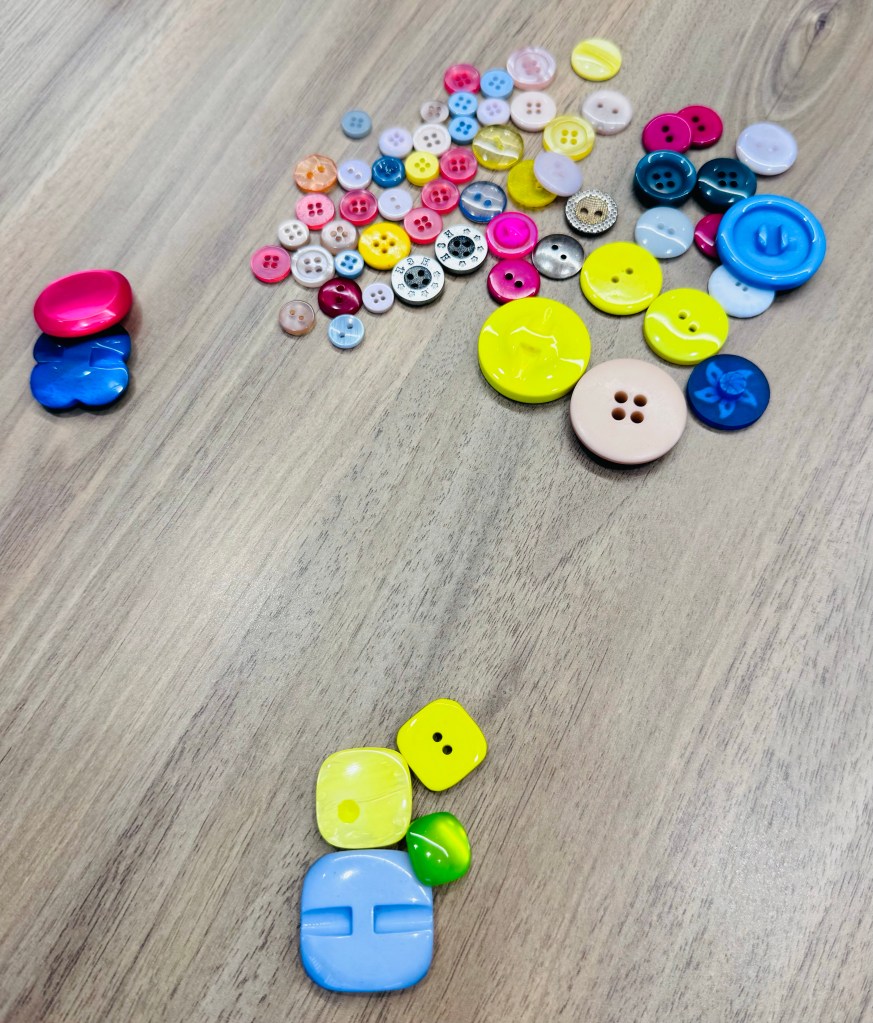
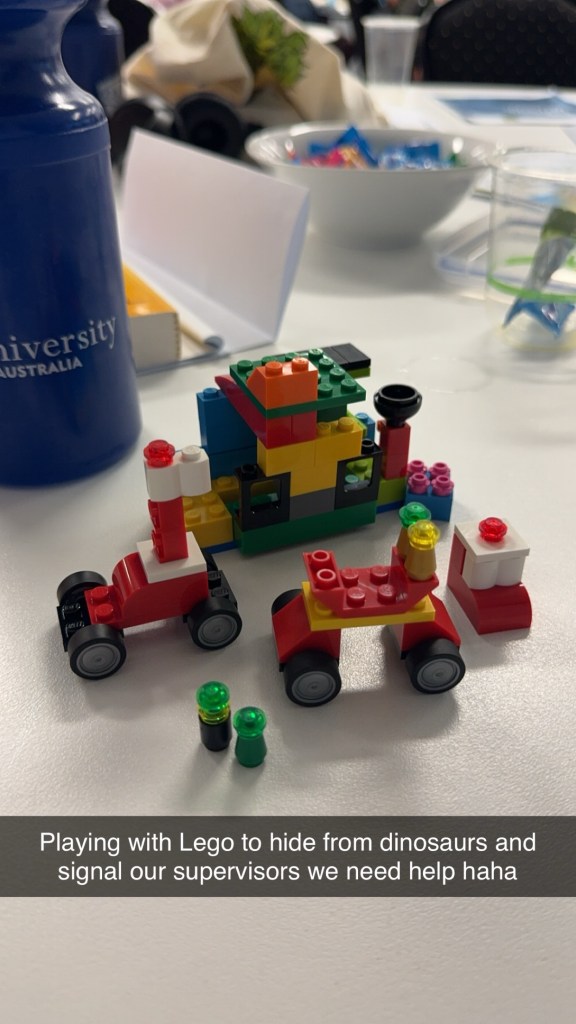
- Hands on activities progressed from macro to micro. We played with abstract ideas (the buttons) and linked them to concepts being discussed. Then we coded stuff ourselves but we did it with models to support
- Pre reading was DIRECTLY relevant. Nobody who did it would have thought it was a waste. She also justified it in the email when sent to us (why these?!).
- She used her own data and studies which meant she knew it inside and out. It also felt more authentic as it was real data, not created for example purposes
- The third day wasn’t a part of Clare’s structure but was great. I think this should be built in with guidance activities for self paced the next day
Day one made it clear from the get go this would be practical and relevant to everyone. After a get to know you share, we reviewed what TA was then did a great activity with buttons. I won’t spoil it but as a high school teacher I immensely appreciated just how many levels it worked on! Plus, pretty buttons.
After lunch, we launched into learning about, then applying, each step of TA to a provided data set. Some parts I did find very hard….but so did others which was actually very reassuring to see. Perhaps modelling how to get started with themes together was needed as everyone lost time here doing the wrong things. There was a great balance of models and “have a go” here and I say that as an anxious person who needs explicit direction.
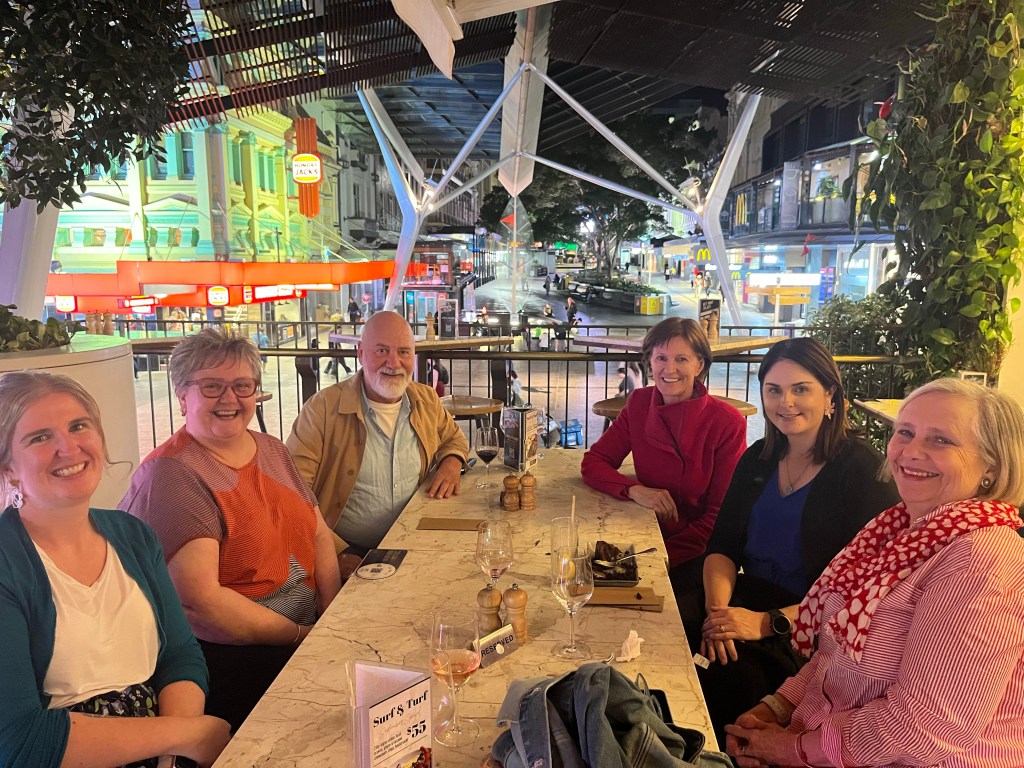
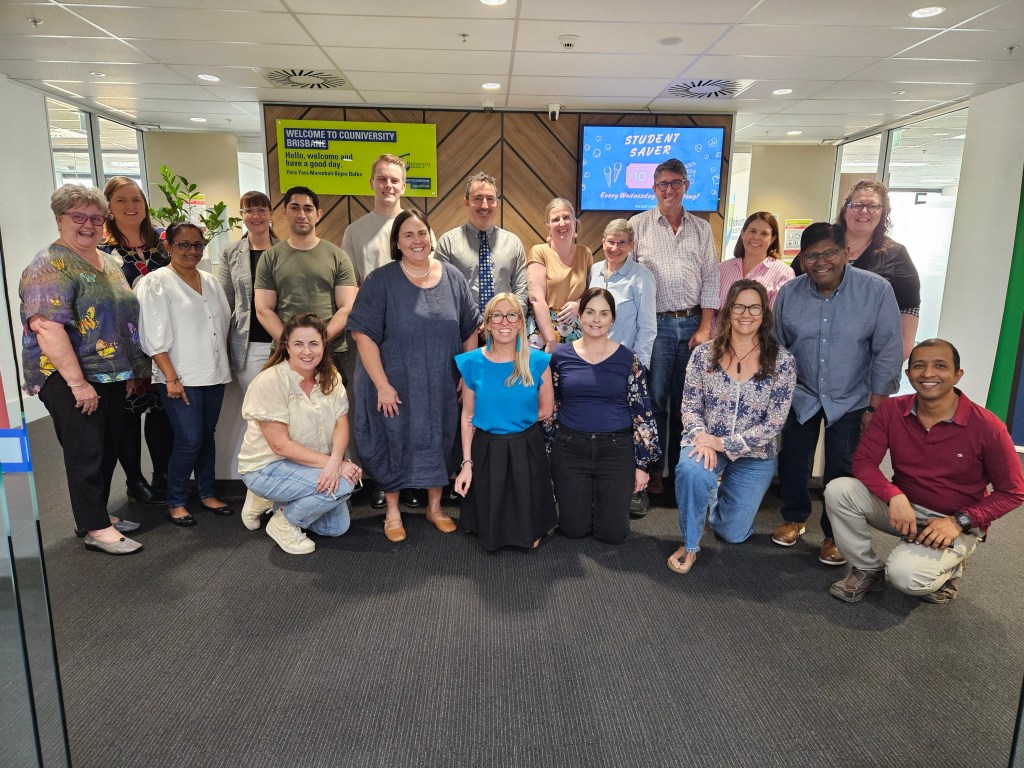
At the end of the first day, I went out to dinner with my principal supervisor who I’ve never met in real life! As she had two students attending the workshop days, the uni arranged for her to visit us along with two other supervisors so we had dinner as a group.
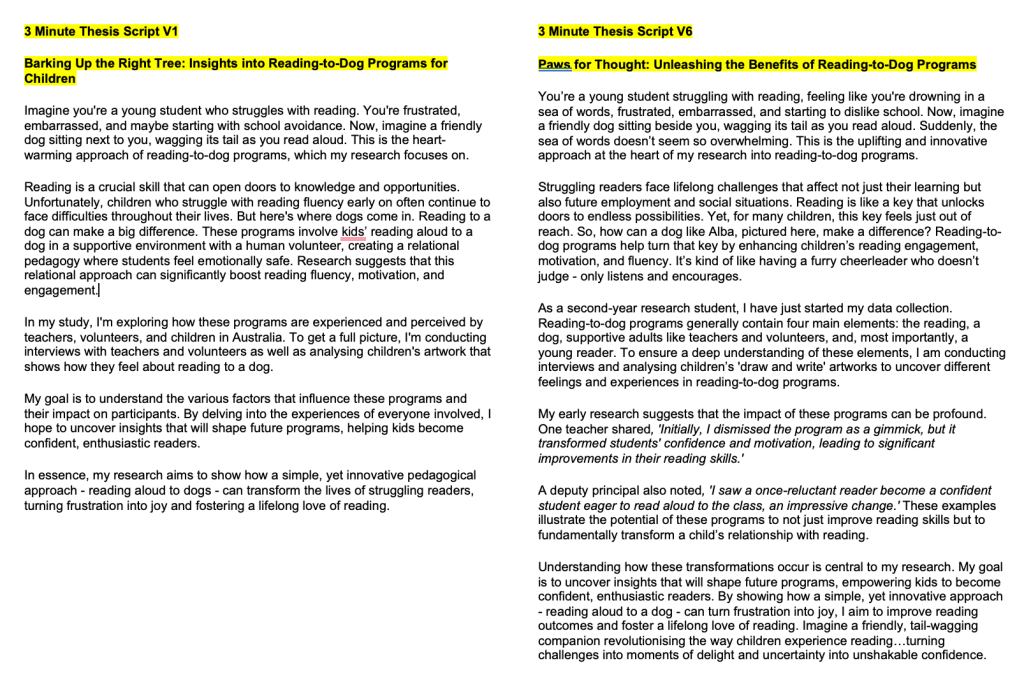
One of the things I was most excited about for Day Two was discussing image analysis in TA. This is something I will (hopefully) be doing as part of my data collection and I am aiming to integrate it alongside my interview transcripts as well. We only got a very brief look at this but even that helped answer some of the questions I had. I was also able to briefly chat to Claire in a break and showed her one of my sample drawings (can’t be used for my data set). In just 2 mins she got me thinking about a whole bunch of coding aspects I hadn’t considered.

Day two ended with microwave pasta in my hotel room while trying to pack, finalise MTeach marking and do all that other admin stuff that comes with a sessional unit coordinator role.
The third day then provided an opportunity for RHD students from the School of Education and Arts to sit together and apply the learning to our own data set. Some of us had data, some (like me) had sample or pilot data and a few were not yet at that stage. We also had a fantastic debrief and sharing of challenges. The opportunity to spend that third day considering and discussing what we learnt was much more valuable than I initially anticipated. Instead of leaping straight back into “the grind” we all had that extra day to decompress, chat, share resources and identify what our next steps would be before travelling home.
What might I change? Feedback I gave?
I would prefer a 9am start and earlier finish but that’s me.
Lots of things we were shown had examples but no resources on the reflective journals. Still no detail on how or when or what to do? Maybe some templates or models? With positives and negatives labeled for people to create their own….kinda how thinkwell has their repository
Themes was still a bit up in the air. More time on that? Another go at coding would have been great as well….maybe a 3rd day is needed! Clare mentioned she does 2 as most people can get 2 days off but 3 or more is a lot harder. Interesting data point!
Image and multimodal was rushed and only got about 25 mins right at the end. I would have preferred less time on some of the other parts but I also acknowledge nobody else was using images in the group. Assumptions activity was good but could have been shortened significantly as everyone was very tired and not really wanting to talk to “new” people
Slides beforehand (tricky I know, want to make sure people show up)
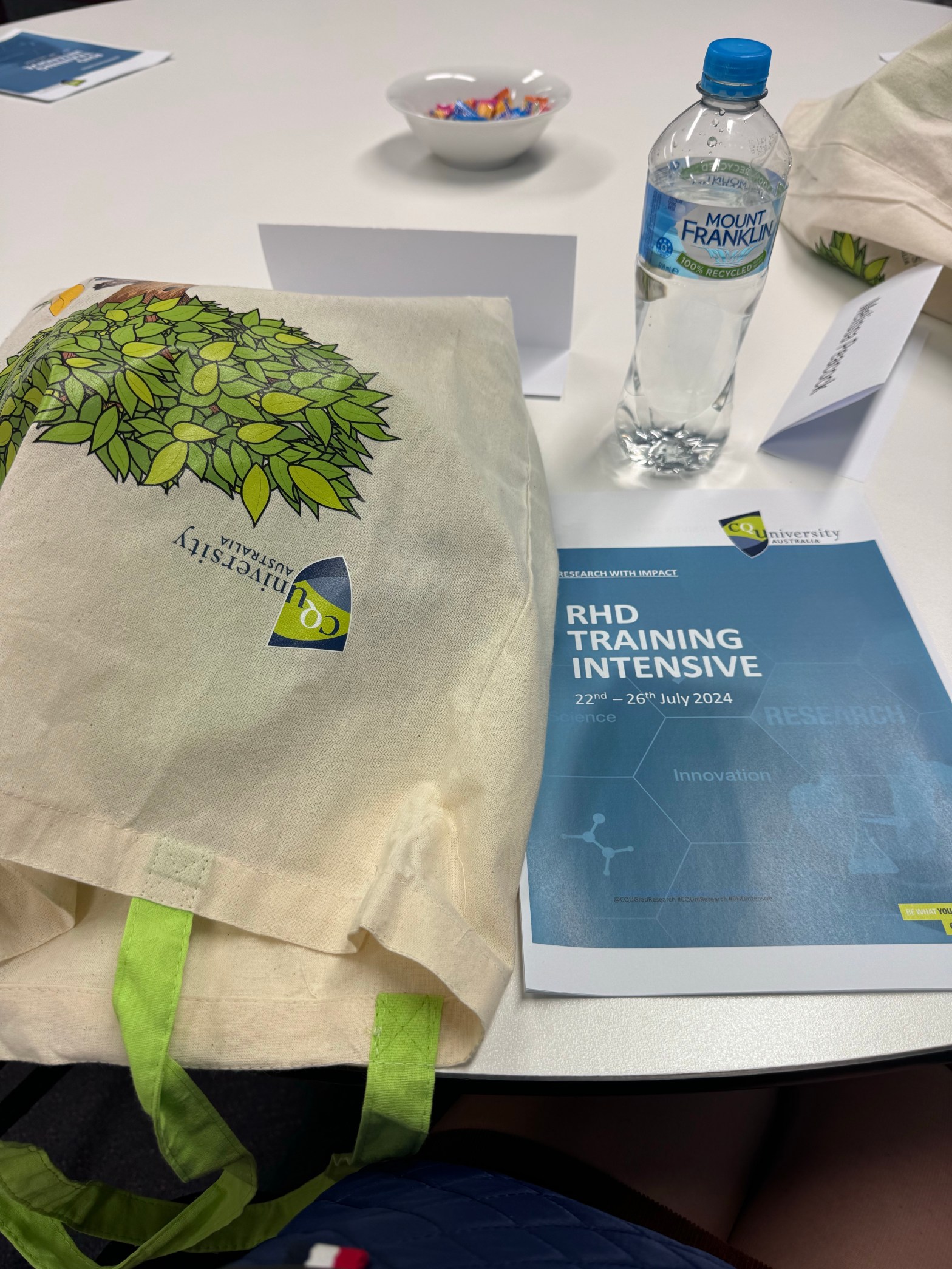
And finally…I never realised how much I appreciate candy / mentos on the table until it wasn’t there.



 Melissa Smith